
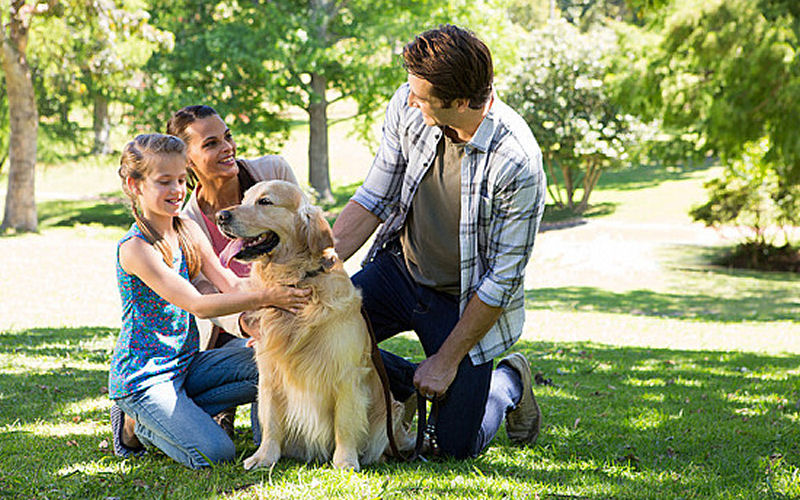
Dogs help their owners meet new people and form connections.
Dogs have long been recognized as “man’s best friend,” and their social nature plays a significant role in connecting people. Here are several ways in which dogs act as social catalysts, helping their owners meet new people and form connections:
Conversation Starters: Dogs are excellent conversation starters. Taking your dog for a walk or visiting a dog park often leads to interactions with other dog owners or dog lovers. People are naturally drawn to dogs, and they provide an easy and comfortable topic to initiate conversations.
Shared Interests: Dog ownership creates an immediate common interest between individuals. When you meet another dog owner, you both share similar experiences, challenges, and joys of owning a pet. This shared interest forms a basis for building connections and engaging in conversations.
Community Engagement: Dogs promote community engagement by bringing people together. In many neighborhoods, there are dog-related events, such as dog shows, agility competitions, or charity walks, where dog owners gather. These events provide opportunities to meet new people, make friends, and develop a sense of belonging within the community.
Increased Approachability: Dogs act as social icebreakers and can help overcome social barriers. They create a sense of approachability, making it easier for people to strike up a conversation or approach their owners. The presence of a friendly and non-threatening animal can make interactions more relaxed and open.
Pet-related Activities: Owning a dog opens doors to various pet-related activities and organizations. These include obedience classes, training sessions, dog sports, and volunteering at animal shelters. Participating in these activities allows dog owners to connect with like-minded individuals who share their passion for dogs.
Support Networks: Dogs often lead their owners to establish support networks within the dog-owning community. They provide opportunities to meet people who can offer advice, recommendations for pet services, or simply lend a listening ear. These connections can evolve into long-lasting friendships that extend beyond the realm of dog ownership.
Health Benefits: Dogs contribute to their owners’ overall well-being, and improved well-being can enhance social interactions. Studies have shown that dogs can reduce stress, anxiety, and loneliness, improving mental health and creating a positive mindset that facilitates social interactions.
It is important to note that while dogs can act as social catalysts, it ultimately depends on the owner’s willingness to engage with others. Dog owners who actively seek out social opportunities and are open to meeting new people tend to benefit the most from their canine companions in terms of forming connections and expanding their social circles.








 by
by 