
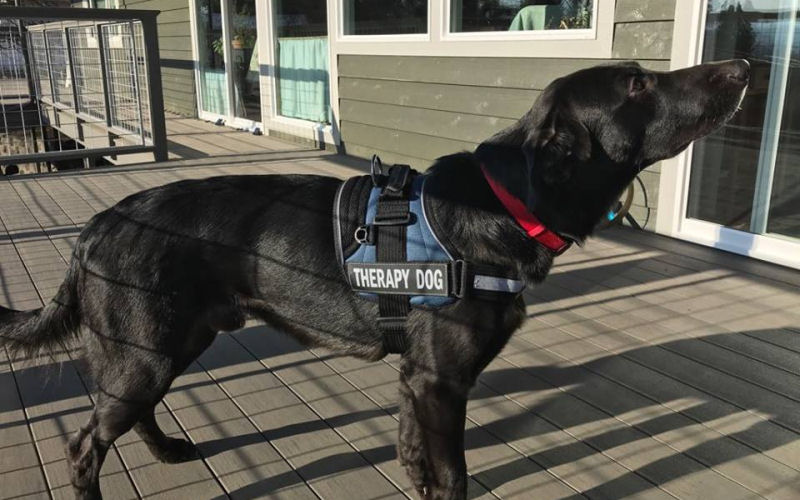
The role of therapy dogs in various therapeutic settings.
Therapy dogs play a valuable role in various therapeutic settings, providing emotional support and companionship to individuals in need. Here’s an explanation of their roles in hospitals, nursing homes, and schools:
Hospitals: Therapy dogs are often brought into hospitals to provide comfort and reduce stress for patients, families, and staff members. These dogs visit different departments, such as pediatric wards, cancer centers, intensive care units, and rehabilitation units. Their presence can help distract patients from their pain or anxiety, boost mood, and promote relaxation. Therapy dogs may engage in activities like sitting on patients’ beds, being petted, or simply being present to provide a calming effect.
Nursing homes: In nursing homes and assisted living facilities, therapy dogs offer social interaction and emotional support to residents. Many elderly individuals in these settings may experience loneliness, depression, or cognitive decline, and the presence of therapy dogs can help alleviate these feelings. Interacting with dogs can stimulate positive memories, encourage physical activity through walking or playing, and provide a sense of purpose and responsibility to residents.
Schools: Therapy dogs are increasingly present in schools to enhance the learning environment and support students’ well-being. They can aid children with special needs, such as those on the autism spectrum or with emotional or behavioral challenges. Therapy dogs provide a non-judgmental and comforting presence that can help reduce anxiety, increase focus, and improve self-esteem. Additionally, interactions with therapy dogs promote empathy, teach responsible pet ownership, and create a positive and inclusive school atmosphere.
In all of these settings, therapy dogs undergo specialized training and certification to ensure their obedience, temperament, and suitability for interacting with diverse populations. They are handled by trained handlers who work closely with healthcare professionals, educators, or therapists to determine the most effective ways to incorporate therapy dogs into specific treatment plans or interventions.
It’s important to note that therapy dogs differ from service dogs or emotional support animals. While service dogs are individually trained to perform specific tasks for individuals with disabilities, therapy dogs generally work with trained handlers to provide emotional support and comfort to a broader range of people in therapeutic settings.








 by
by 